June is National Safety Month, a nationwide initiative led by the National Safety Council to raise awareness around preventable injuries and safety risks. For public sector organizations, it’s an opportunity to educate communities, reinforce trust, and demonstrate proactive leadership. This includes city governments, emergency management agencies, utilities, transportation departments, and public health teams.
But creating consistent safety messaging for an entire month can quickly become overwhelming for already stretched communications teams.
That’s where strategic planning and automation can make a major difference.
With Social News Desk, public sector teams can build a scalable National Safety Month campaign that keeps communities informed without creating additional manual work. Here’s a simple four-week strategy to help your team stay organized, responsive, and consistent throughout June.
Week 1: Build Awareness with Evergreen Safety Content
The first week of National Safety Month is the perfect time to focus on proactive, educational content that helps residents stay informed year-round. Topics like severe weather preparedness, heat safety, workplace awareness, and emergency planning are always relevant.
Consistently publishing that content, however, can be difficult for busy public sector communications teams. That’s where automation can help.
With SND Autopilot, municipalities can automatically populate their social feeds with trusted safety information from approved RSS feeds. This helps teams save time while maintaining a steady cadence of public safety messaging. Agencies can connect resources like:
- Ready.gov emergency preparedness resources
- Local emergency management blogs
- City safety updates and public works notices
Instead of manually searching for content every day, teams can take advantage of SND Autopilot to help surface relevant posts. This ultimately makes it easier to share timely and evergreen information with your community.
This is especially valuable during National Safety Month, when agencies are trying to maintain consistent awareness campaigns while still managing daily operations and unexpected incidents.
For example, a city communications team could automatically pull air quality alerts, utility outage updates, heat safety reminders, and more.
Week 2: Customize Safety Messaging Across Platforms
Not every audience consumes safety information the same way. A workplace safety message shared on LinkedIn may need a completely different tone and format than a neighborhood preparedness reminder shared on Nextdoor or Facebook.
During Week 2, focus on platform-specific messaging. For example:
- LinkedIn posts can emphasize employee wellness, OSHA workplace guidance
- Facebook and Instagram can highlight visual safety reminders and community engagement
- Nextdoor can focus on hyperlocal concerns like neighborhood watch programs, severe weather preparation, or road closures
SND’s cross-platform publishing tools allow teams to customize messaging for each network without recreating posts from scratch. Communications teams can quickly tailor copy, visuals, and publishing schedules while managing everything from one centralized dashboard.
Public sector teams can also take advantage of approval workflows and shared content calendars to ensure departments remain aligned during awareness campaigns and emergencies. This becomes especially valuable during fast-moving situations such as heat advisories, severe storms, or public safety incidents when speed and consistency matter most.
Public agencies also benefit from SND’s listening and engagement capabilities, which help teams monitor conversations, identify misinformation, and respond quickly to community concerns. According to Ready.gov, timely communication is one of the most important factors in emergency preparedness and public trust.
Week 3: Create Recurring Campaigns That Stay on Schedule
One of the biggest challenges during awareness months is consistency. Teams often start strong in Week 1, only to lose momentum as competing priorities take over. That’s why recurring scheduling can be such a valuable tool for public sector communicators.
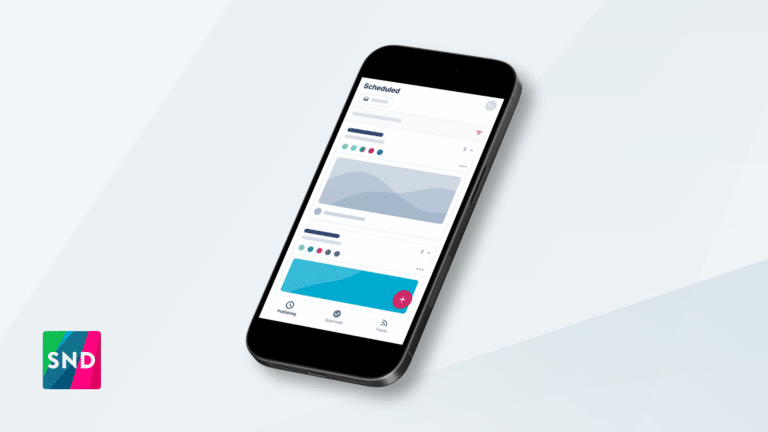
With SND’s Recurring Posts feature, agencies can build an entire month-long safety campaign in advance. Teams can schedule recurring reminders around recycling safety notices, hurricane preparedness checklists, and more.
Even better, each recurring post can be edited individually to ensure content stays fresh and avoids repetitive messaging. For example, a city could create a weekly “Safety Friday” campaign featuring:
- Week 1: Emergency kit preparation
- Week 2: Heat exhaustion awareness
- Week 3: Safe driving reminders
- Week 4: Neighborhood preparedness resources
SND makes it easy to manage these campaigns at scale while maintaining flexibility.
Teams can also use SND’s asset management tools to store approved safety graphics, evacuation maps, logos, and campaign templates in one place. This reduces duplication and helping ensure brand consistency across departments.
Week 4: Measure Engagement and Prepare for Future Campaigns
The final week of National Safety Month should focus on evaluating performance and identifying opportunities for future outreach.
- Which posts generated the most engagement?
- Which safety topics resonated most with residents?
- What questions or concerns appeared repeatedly in comments or direct messages?
Public sector communications teams are increasingly expected to demonstrate the value of digital outreach, especially during awareness campaigns and emergencies. Analytics reporting can help agencies better understand what information their communities actually find useful.
SND’s reporting tools make it easy to track engagement trends across networks and departments. Teams can use insights to improve future preparedness campaigns, seasonal safety messaging, and crisis communication strategies. The Social Summary Report gives agencies a centralized view of social performance, helping communications leaders share measurable outcomes with stakeholders and leadership teams.
For organizations looking to strengthen emergency communication planning long-term, the CDC Crisis and Emergency Risk Communication (CERC) framework also provides best practices for building trust during high-stress events and public safety incidents.
Safety Communication Requires Consistency
National Safety Month is more than a calendar observance. It’s an opportunity for public sector organizations to build stronger relationships with the communities they serve.
But consistency is difficult when communications teams are juggling emergencies, staffing shortages, and day-to-day demands. By combining automation, recurring campaigns, cross-platform publishing, social listening, and analytics, Social News Desk helps agencies maintain reliable, timely safety communication throughout the month (and long after June ends!).
Whether your team is managing severe weather alerts, public works updates, transportation notices, or public health messaging, the right workflows can help you communicate faster, more strategically, and with greater impact.
Ready to see how Social News Desk can support your organization’s social strategy? Book a free demo today.